Peanut-Free Classrooms: A Parent's Field Guide
How peanut-free classrooms work, what's usually allowed, and how to support the policy whether or not your own child has an allergy. A practical guide for every parent.
If your child’s classroom is peanut-free this year, you might have questions — whether your own kid has an allergy or simply shares a room with someone who does. This field guide covers how these policies work, what tends to be allowed, and how to be a genuinely helpful classroom parent.
Why classrooms go peanut-free
Peanut and tree-nut allergies are among the most common and most dangerous food allergies in children, and reactions can escalate quickly. Because young kids share food, touch everything, and don’t always wash their hands, a single peanut-butter sandwich can leave allergen residue on desks, doorknobs, and shared supplies. A peanut-free rule reduces that risk for the whole room — it’s a practical safety measure, not an overreaction.
What “peanut-free” usually covers
Policies vary by school, but most peanut- or nut-free classrooms ask families to avoid:
- Peanuts and peanut butter
- Tree nuts (almonds, cashews, walnuts, etc.) and nut butters
- Products made on shared equipment with nuts (those “may contain” labels)
Many schools do allow seed butters like sunflower seed butter as a peanut-butter substitute — but some ban them too, simply because they look identical to peanut butter and cause confusion at the lunch table. When in doubt, ask the teacher directly.
How to pack for a peanut-free room
The reliable approach is to build lunches and snacks around foods made in dedicated nut-free facilities, so there’s no cross-contact question. That covers you even on hectic mornings.
- Choose individually wrapped, nut-free snacks for grab-and-go ease.
- Keep a stocked “safe shelf” so anyone in the house can pack compliant food fast.
- Label homemade items if the school asks, so staff can see what’s inside.
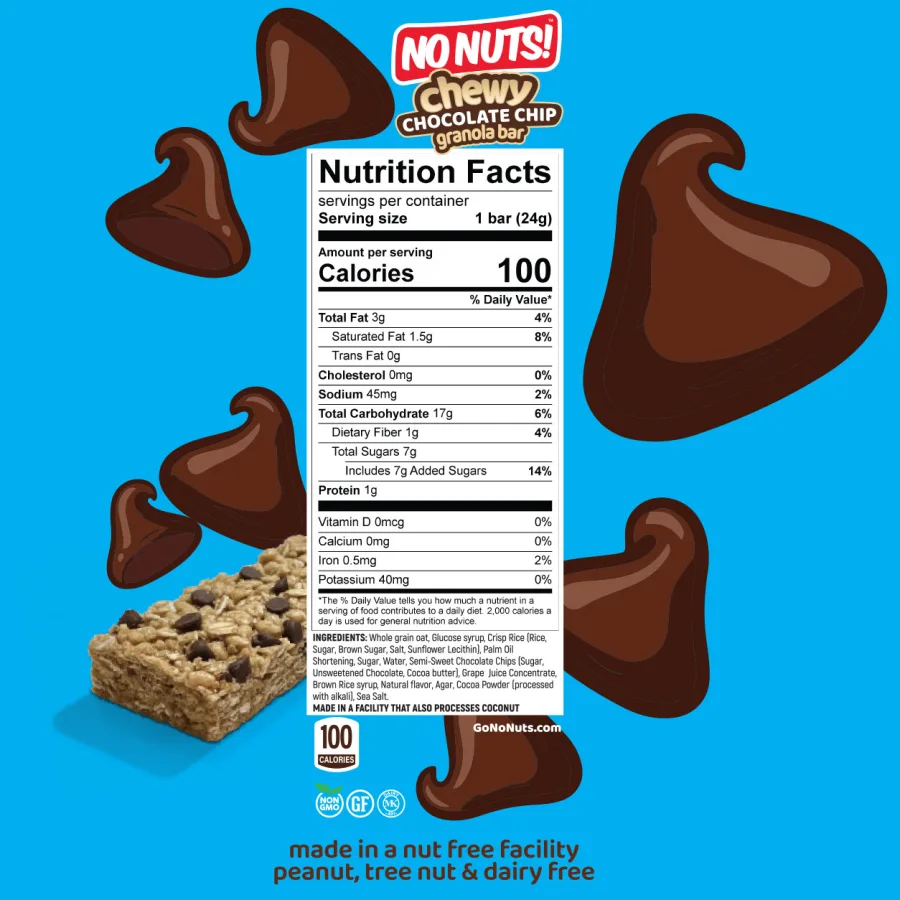
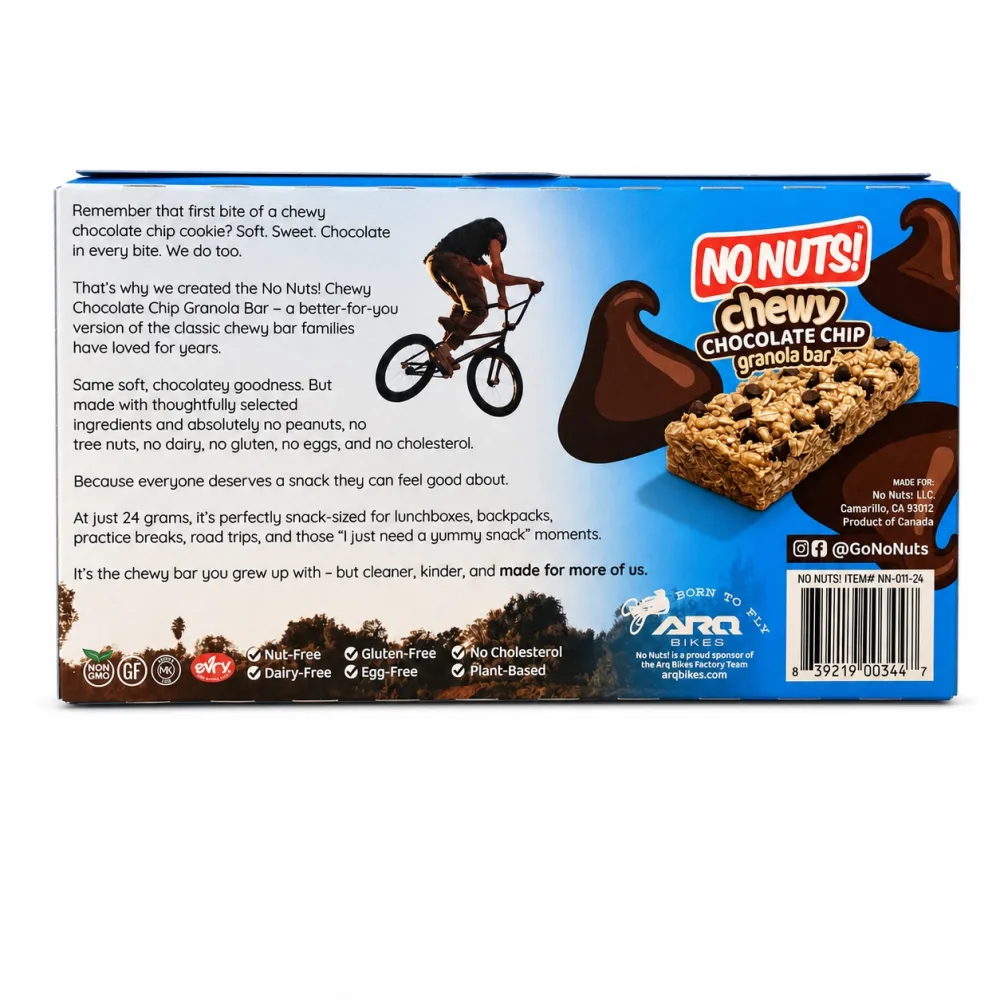
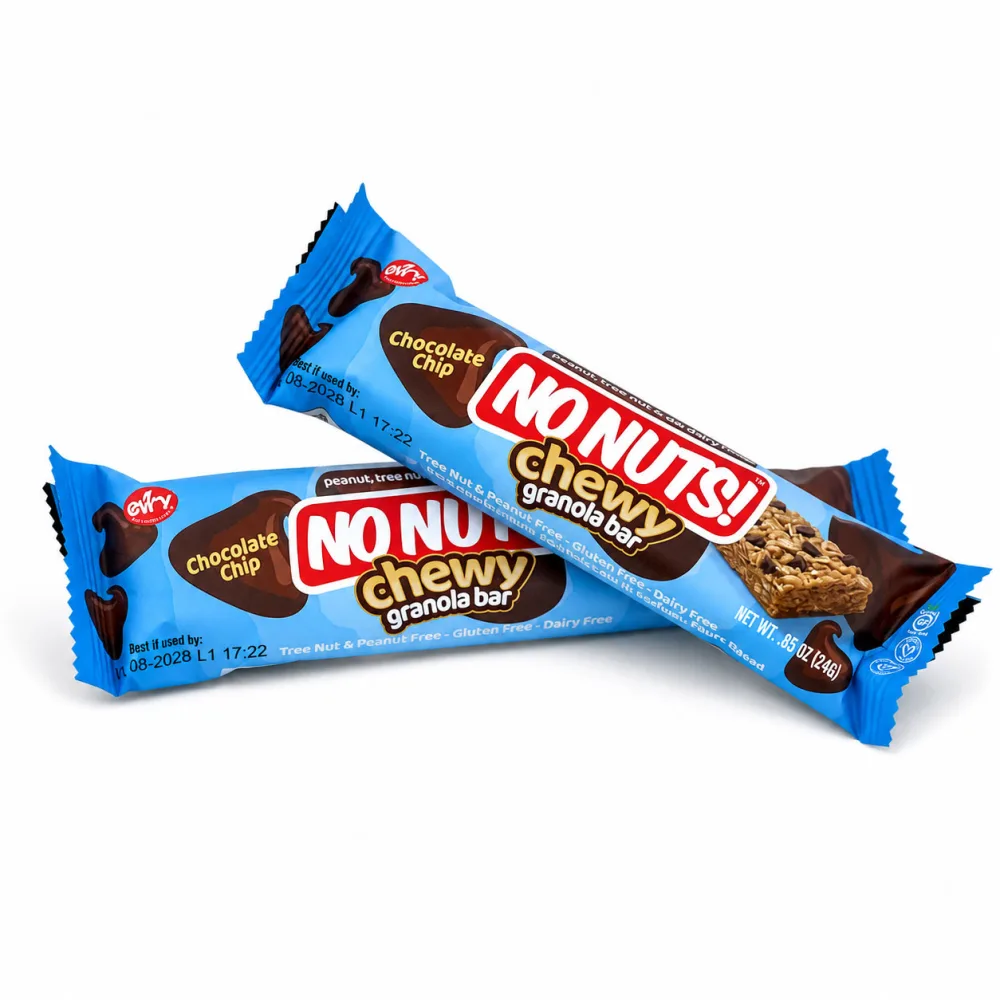
A soft-baked Chewy Chocolate Chip Snack Bar is an easy win here — made in a 100% nut-free facility, individually wrapped, and free from all nine major U.S. allergens. Our Protein Snack Bars work the same way for older kids who need more staying power.
How to be a great classroom ally
Even if your child doesn’t have an allergy, small habits make a big difference:
- Follow the policy without grumbling. For an allergic classmate, it can be life-safety.
- Wash hands after eating nuts at home before school, since residue transfers easily.
- Talk to your kids about not sharing food — a kind rule that protects everyone.
- Ask before sending classroom treats for birthdays or parties, and default to nut-free-facility options.
The goal of a peanut-free classroom isn’t to single anyone out — it’s to make one shared space where every kid can eat without fear. That only works when families opt in together.
The bottom line
A peanut-free classroom runs on a simple idea: keep the allergen out of the room so no one has to police it kid by kid. Pack from trusted nut-free-facility staples, ask when you’re unsure, and treat the policy as a small act of community care. For a deeper look at what schools mean by “safe,” see our School-Safe Snacks guide.